Keep your horizontal blinds and automate the angle of the slats. Measure the wand, fit a tilt motor, and test a morning light setting before you schedule it.
Quick Answer
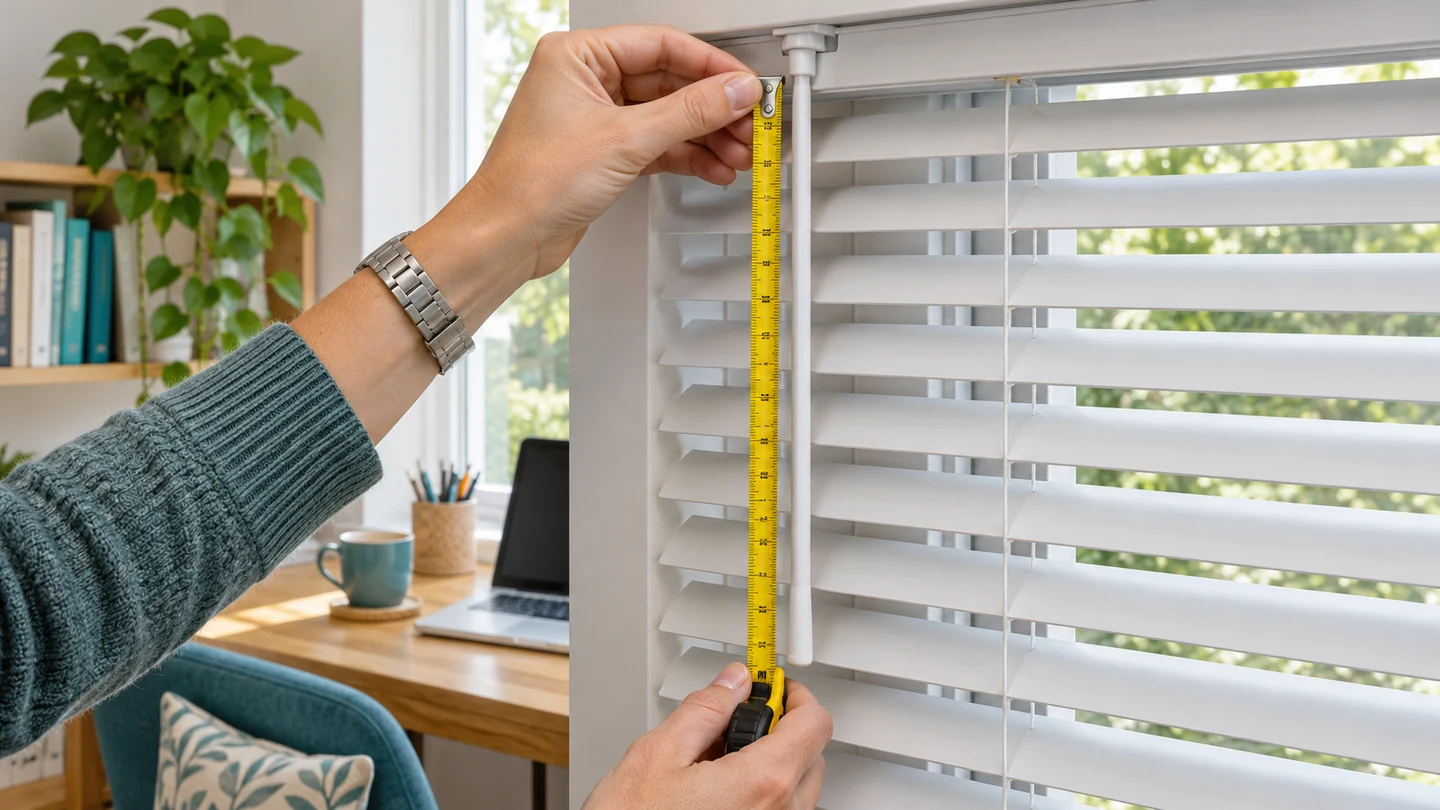
Turn the wand by hand. If it tilts horizontal slats smoothly, measure its diameter to see whether a retrofit motor will fit. The motor adjusts the light and privacy while the blind stays at the same height.
Compare your options
| Option | Best for | What to check |
|---|
| Wand motor alone | Adjusting one window from a nearby phone | Each independently operated wand needs its own motor. |
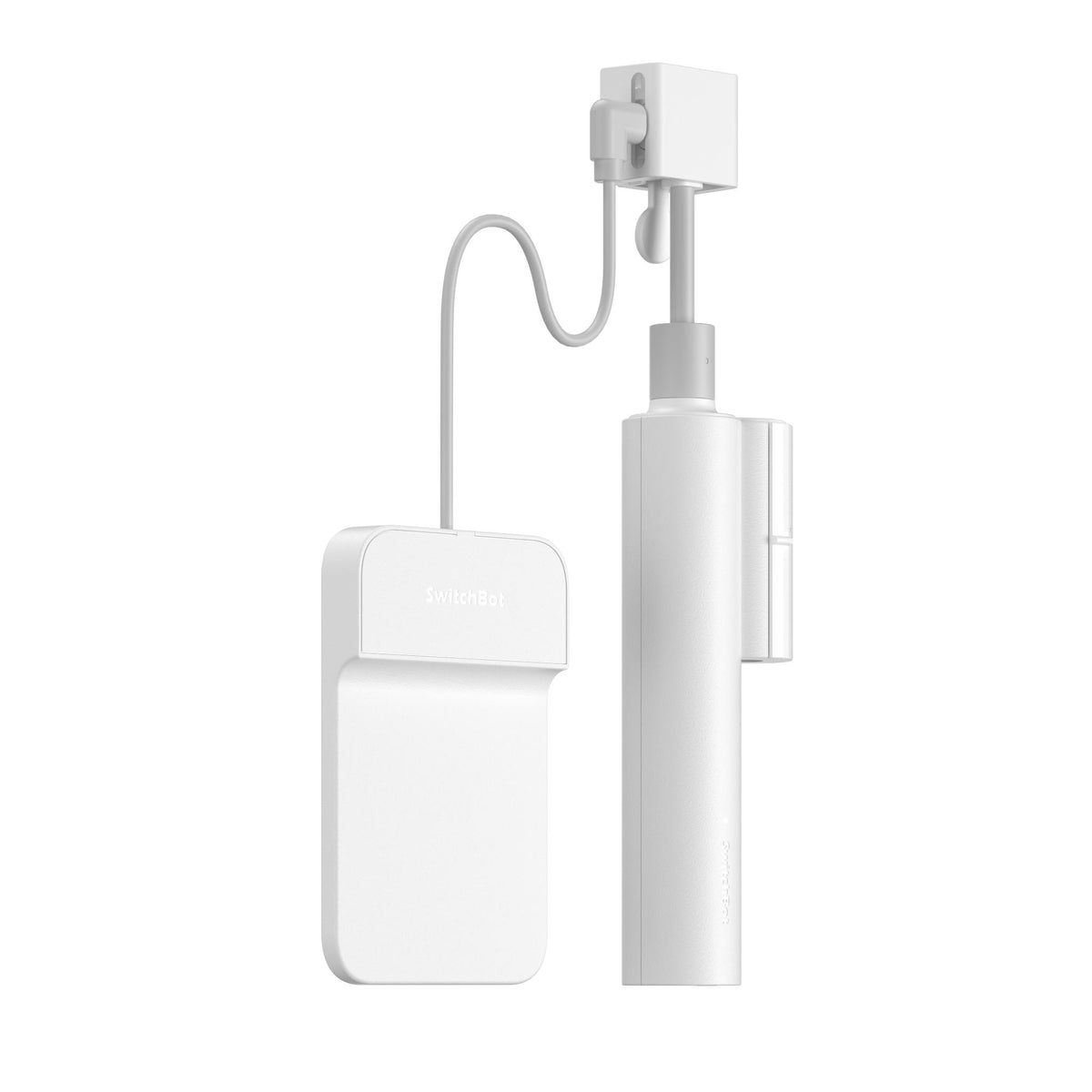
| Motor with the supplied solar panel | A window with regular daylight | Check where sunlight actually hits the glass during the day. |
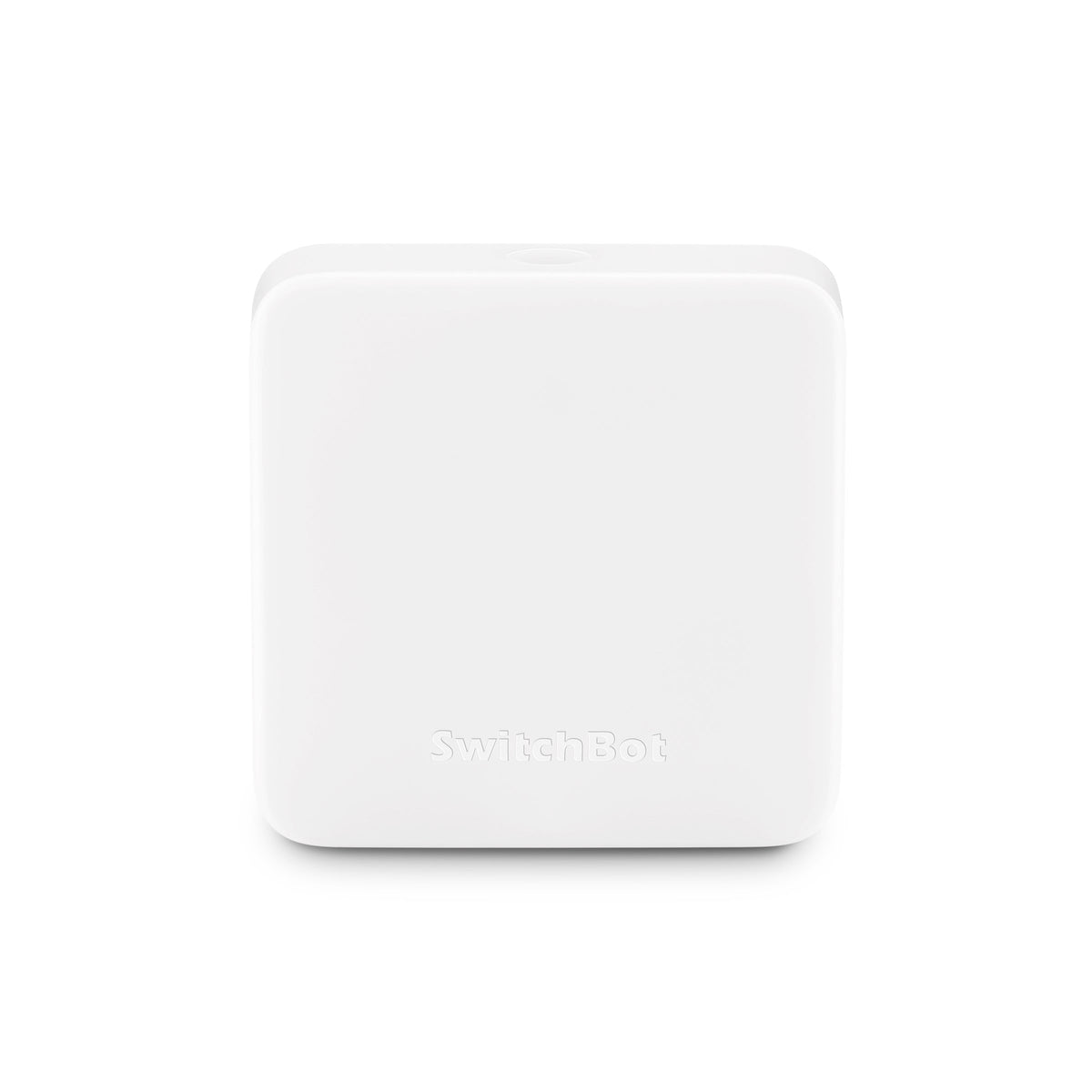
| Motor plus a Hub Mini | Checking or changing the tilt away from home | The hub needs USB power, 2.4 GHz Wi-Fi, and Bluetooth range to the motor. |
Step-by-step installation
1. Measure the part of the wand the motor will grip
Turn the wand both ways and watch the slats. They should travel smoothly from one closed angle through level to the other closed angle. Measure across the wand near the headrail with calipers. SwitchBot lists diameters from 6.2 to 10.2 mm, plus 12 mm. If yours falls between those sizes, check with the maker before ordering.
2. Pair the motor and size the adapter
Add Blind Tilt in the SwitchBot app with Bluetooth on. Wrap the kit’s sizing strip around the wand to read the adapter size. Then use the strip as a height guide from the bottom edge of the headrail. Mark the top of the adapter before peeling its backing.
3. Secure the adapter and engage the gears
Press the rubber adapter around the wand at the mark. Latch the coupling over it and gently twist to check for slipping. Fit the motor to the left of the wand with its gear meshed with the coupling, then close the housing. If the coupling slips, recheck the adapter size before running the motor.
4. Give the solar lead a clear path
Connect and lock the panel plug as shown in the kit. Feed the panel above the top slat toward the glass. Dry-fit the cord holder on the headrail and check that the wire clears the slats and window latch. Attach the holder and panel after checking the route.
5. Calibrate by watching the slats
Stand at the window and follow the calibration prompts. Match the real slat movement to the animation, including which way the slats close. Try a level setting and both closed positions. Stop if the motor turns while the wand stays still. Refit the coupling before recalibrating.
6. Save one angle that solves a real problem
At the time glare reaches your desk, tilt the slats until the reflection disappears while daylight still reaches the room. Use that position for your first schedule. Check it again the next day before applying the same setting to other windows.
Tools and buying tips
- Gather calipers or a metric ruler, a pencil, and the kit’s sizing strip. The wand thickness determines the fit.
- Check the window with the blind raised too. The motor and solar lead need room beside the stacked slats.
- Buy one motor to test your type of blind before equipping a whole room.
Which setup fits your home?
| Use case | What to do |
|---|
| Desk beside a west-facing window | Test a partial tilt when afternoon glare reaches the screen. |
| Bedroom facing the street | Check the closed angle from the sidewalk after dark, with the room lights on. |
| Shaded window | Keep the USB charging port accessible and check the battery level after the first few weeks. |
Common mistakes
- Choosing a tilt motor to lift a blind. Raising the bottom rail requires a different mechanism.
- Guessing the adapter size from the knob at the bottom of the wand. Measure where the coupling sits.
- Running the solar lead between moving slats, where it catches as the blind tilts.
Installation checklist
- Wand turns smoothly and falls within the supported size.
- Coupling grips the wand and the solar lead clears moving parts.
- The app’s open and closed positions match the window.
- The scheduled angle gives the desired light or privacy.
Bottom Line
A smooth wand and a snug adapter are the two tests that matter most. Once one window reaches the same angle reliably, you can decide whether more motors or remote access would be worthwhile.
SwitchBot’s wand compatibility guide
Comments
Comments are reviewed before they become public.
Sign in with Google to leave a comment.
Sign in with GoogleNo approved comments yet. Be the first to start the discussion.