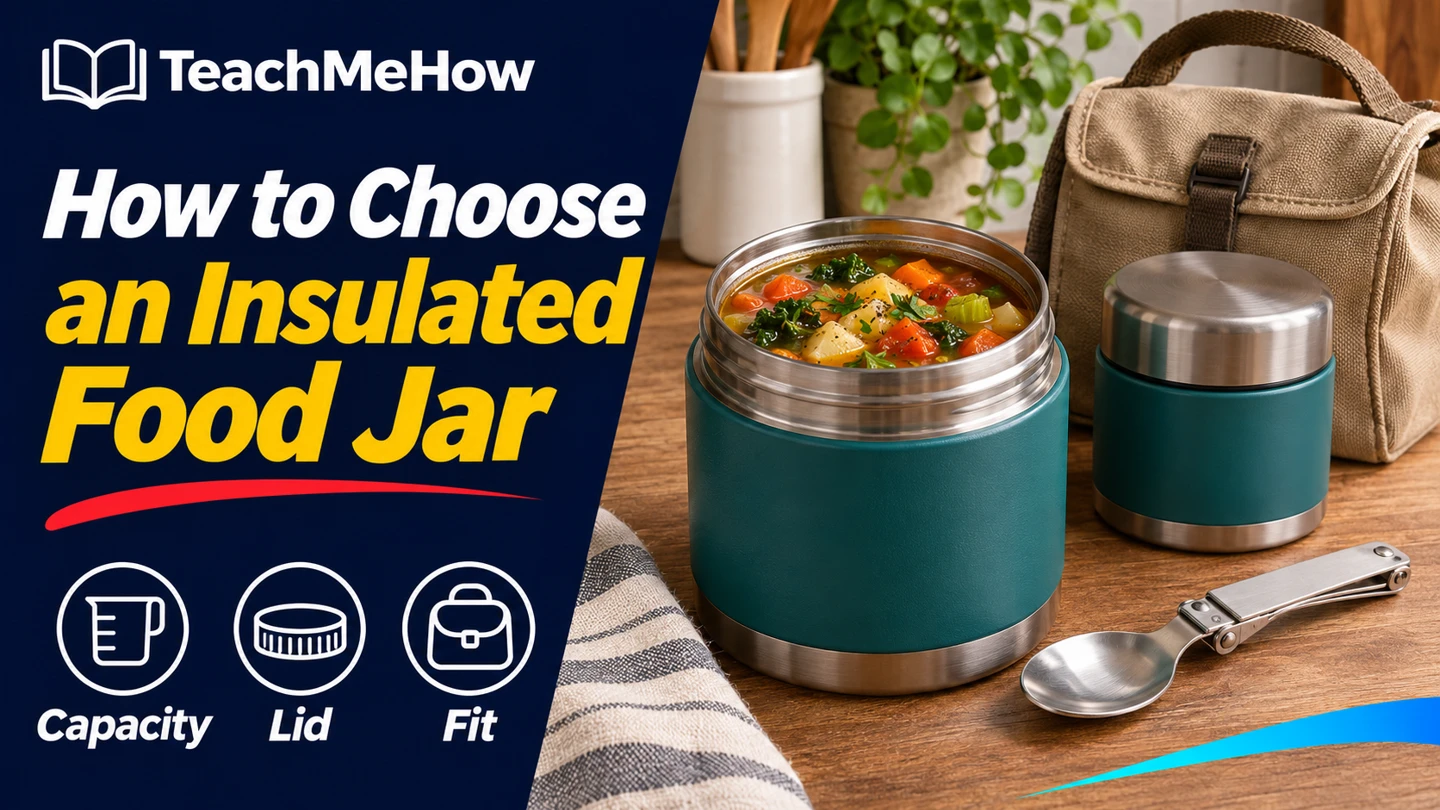
Compare food jar sizes in cups, check how the lid seals, and find a jar that fits your lunch bag. Choose a practical size for school, work, or a road trip.
Quick Answer
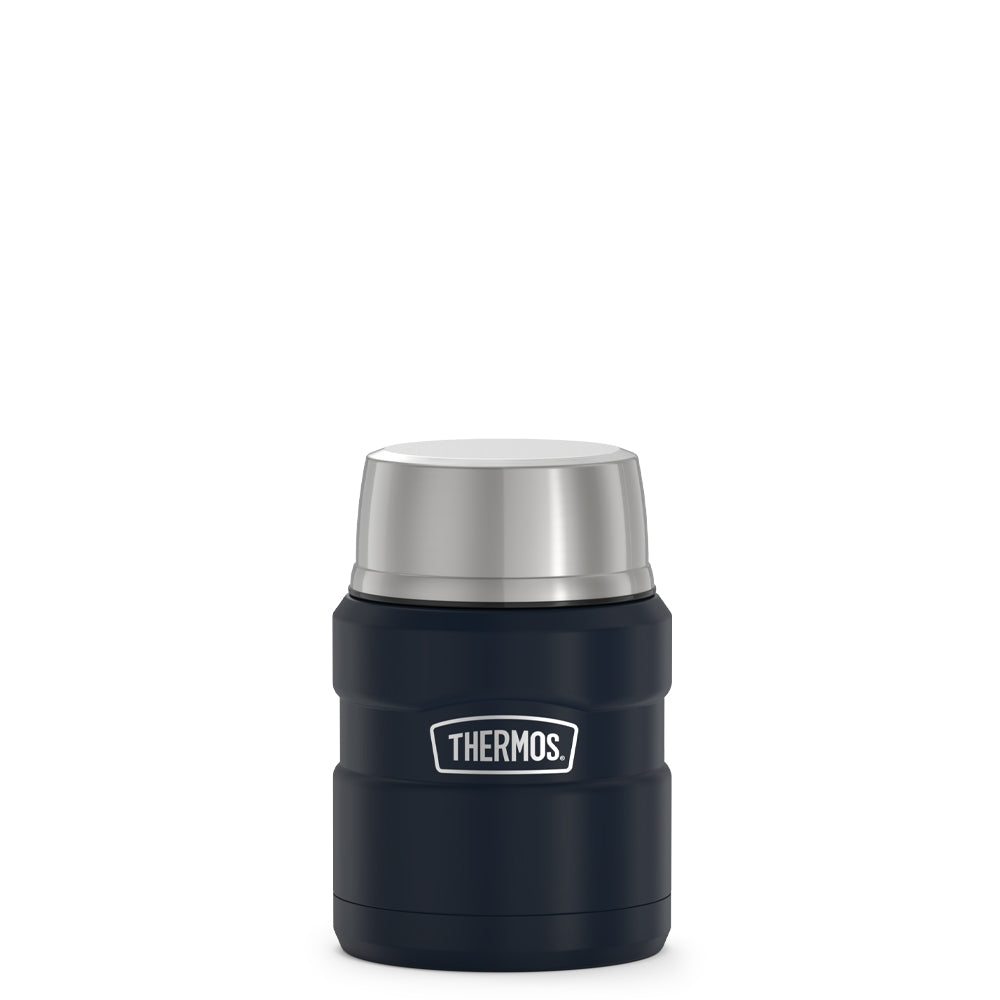
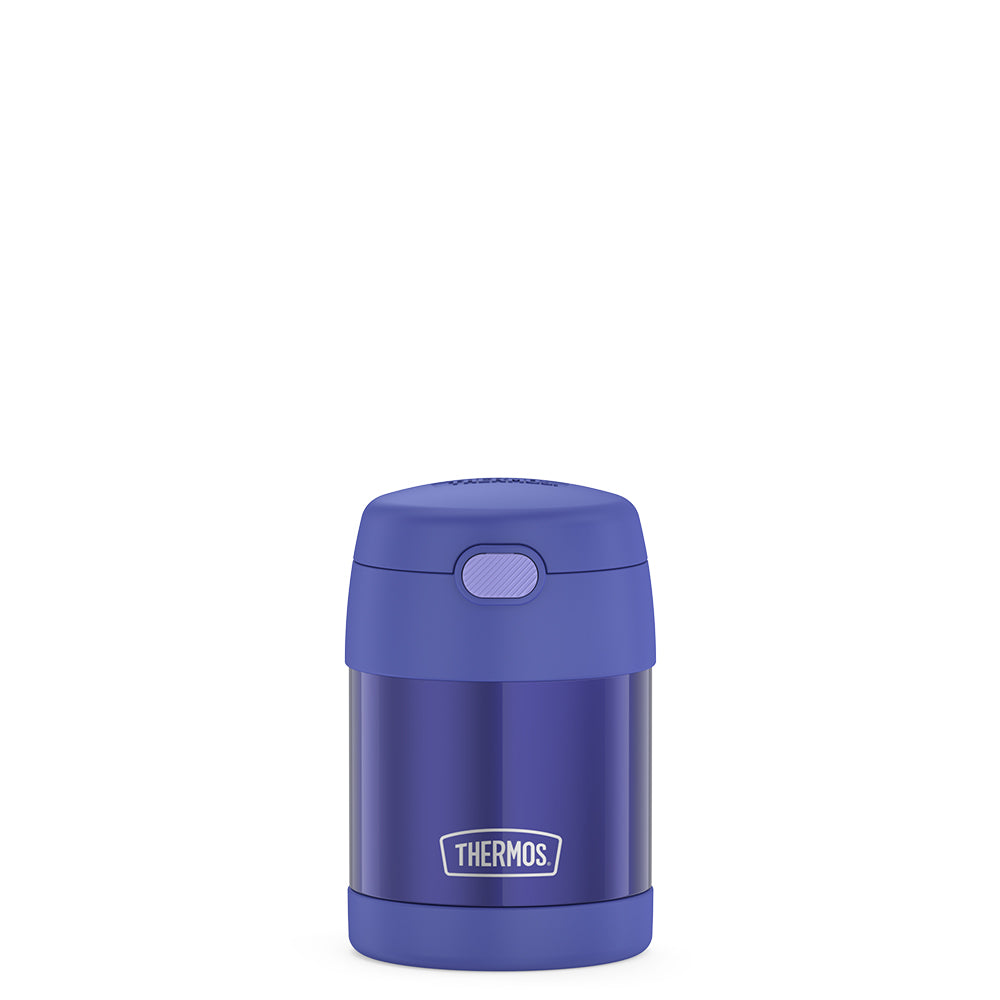
Pour your usual lunch into a measuring cup before choosing a jar. A 10-fluid-ounce jar holds about 1¼ cups, enough for a small serving of soup alongside a sandwich. A 16-ounce jar holds two cups and makes more sense when chili or stew is the whole lunch. Then check two things the capacity label can’t tell you: whether the jar fits upright in your bag and whether you can reach the bottom with your spoon.
Compare food jar sizes
| Nominal capacity | Best fit | What to check |
|---|
| 10 fl oz · 1¼ cups | A small portion plus sides | Will the lid leave room for the last spoonful? |
| 16 fl oz · 2 cups | Soup or stew as a main dish | Can your everyday spoon reach the bottom? |
| 24 fl oz · 3 cups | A larger meal or food to share | Will the loaded jar fit upright beside a drink? |
1. Measure a lunch you actually eat
Use yesterday’s leftovers as a test. Ladle a normal serving into a measuring cup, including the broth. If you regularly serve yourself two cups, a jar labeled 16 fluid ounces may be tight once you leave the space required under its lid. Check the maker’s fill line. A slightly larger jar can be worthwhile for that serving.
2. Check the opening, height, and lid
Measure the inside height of your zipped lunch bag and the width of the spot where the jar will sit. A wide mouth makes chunky stew easier to spoon in. A shallow jar is easier to scrape clean. For a school lunch, practice with the empty jar at home: can the child hold the base still, open the lid, remove the spoon, and close everything again?
3. Look under the lid before you buy
Check the care instructions for the stopper, gasket, and folding spoon. A removable gasket can make it easier to wash away soup caught around the rim. Look for a diagram showing which way it fits and whether replacements are sold. Once the jar arrives, fill it with cool water, close it as directed, and tip it over the sink to check your assembly.
4. Match insulation to your lunch break
Count from the moment you pack the jar until you usually eat, including time on the road. For hot leftovers, USDA advises reheating to 165°F. Preheat the insulated container with boiling water, empty it, add the piping-hot food, and close it promptly. Hot food should stay at 140°F or above. Check the center with a food thermometer at your usual lunchtime if you’re unsure how your jar performs.
Buying Tips
- Check the height with the lid and spoon stowed. Catalog photos can make a tall jar look squat.
- If your regular lunch is chunky pasta, compare the opening with the width of your serving spoon.
- Check the washing directions for each part. A dishwasher-safe jar body can still have a hand-wash lid.
Choose for your lunch routine
| Where you’ll eat | Feature to prioritize | Try this check |
|---|
| School cafeteria | An easy-grip lid and a short spoon | Practice opening the empty jar on a table. |
| Work lunchroom | Enough room for your main dish | Measure one serving of your favorite stew. |
| Road-trip picnic | An upright fit and a secure seal | Pack it beside your drink and zip the bag. |
Common Mistakes
- Reading fluid ounces as food weight. A jar’s fluid-ounce rating measures volume.
- Judging insulation by the outside of the jar. The outer wall can feel cool while the food inside is hot.
- Buying the largest model by default. A bigger jar takes up space you might want for fruit or a sandwich.
Before you buy: a four-point checklist
- My usual serving fits below the fill line.
- The closed jar fits upright in my lunch bag.
- The person eating can open the lid and reach the bottom.
- I know how to clean and refit the seal.
Bottom Line
If soup accompanies your sandwich, start with a 10-ounce jar. If stew is lunch, start at 16 ounces and check the fill line against your serving. Once you have the right capacity, let the lid, spoon reach, and space in your bag decide between models.
Comments
Comments are reviewed before they become public.
Sign in with Google to leave a comment.
Sign in with GoogleNo approved comments yet. Be the first to start the discussion.